Guides
The stuff we'd tell a friend before they bought: tariffs, financing, winter, all of it.
EV Terminology: The Complete Glossary
When I first started exploring EVs, I was overwhelmed by the alphabet soup. kWh, CCS, LFP, WLTP, SOC, BMS, it felt like the industry was deliberately trying to confuse people. Turns out most of these concepts are straightforward once someone explains them without jargon, and that's exactly what I'm going to do here.

Why I Think Chinese EVs Will Change Canada's Car Market
I want to be upfront: this is an opinion piece. After years of tracking Chinese automakers, studying what happened in Europe and Australia, and watching the Canadian market from the inside, I believe the arrival of Chinese EVs will be the most significant disruption to Canada's car market since Japanese imports in the 1970s.

What Canadian Dealers Need to Know About Chinese EVs
I've been tracking the Chinese EV market for years, and I'll tell you what's changed in the last six months: the conversation has shifted from "will they come to Canada?" to "who's going to sell them?" The answer to that second question is you, the independent dealer, the multi-brand franchise owner, the entrepreneur looking for the next growth play.
The Best Chinese EV for Every Type of Canadian Driver
Here's what I've noticed after months of tracking every Chinese EV headed to Canada: people keep asking "which one should I buy?" without ever defining what they actually need. A 22-year-old renting a condo in downtown Toronto has completely different requirements than a family of four in suburban Calgary. A tech nerd who wants the latest drivetrain innovations cares about different things than someone who just wants a reliable car that doesn't cost a fortune.
Should You Wait for a Chinese EV? An Honest Assessment
This is the question I get asked more than any other. Someone's current car is getting tired, or they're paying $250 a month in gas, or they just want to go electric, and they've heard that dramatically cheaper Chinese EVs are on the way. Should they wait? Or buy something available today?
Chinese EV Warranty & Service in Canada: What We Know
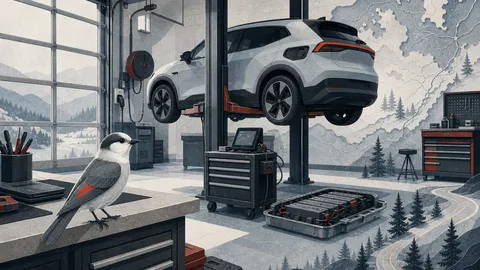
If I had to name the single biggest concern I hear from Canadians considering a Chinese EV, it's not range. It's not tariffs. It's not even price. It's this: "What happens when something breaks?"

Chinese EVs in Thailand & Southeast Asia: The Bigger Picture
I get it, you're shopping for a car in Canada, not Bangkok. But here's why Southeast Asia matters to you directly: scale .

Chinese EVs in Australia: The Market That Looks Like Ours
I spend a lot of time looking at Europe and the UK when people ask about Chinese EV success stories. But honestly? Australia is the market Canadians should be paying the most attention to. Not because the cars are different, they're largely the same models heading our way, but because the country itself is so similar to ours in the ways that actually matter for car ownership.

MG: From British Icon to Europe's Best-Selling EV Brand
I keep coming back to the MG story because nothing else in the car industry quite matches it. Take a brand founded in a British garage in 1924, run it through decades of mismanagement and corporate shuffling until it goes bankrupt, sell the remains to a Chinese state-owned automaker, and then, against all odds, watch it become the best-selling Chinese car brand in Europe. If someone pitched this as a screenplay, you'd say it was too unlikely.

Chinese EVs in the UK: Sales, Reviews & What Brits Think
If you want to know what the Canadian EV market might look like in 2028, look at Britain today. The UK has no punitive tariffs on Chinese-made electric vehicles, and over the past three years brands like MG, BYD, and Chery have gone from unknown curiosities to mainstream choices on British roads. Chinese brands now account for roughly 10% of all new vehicle sales, nearly double their share from 2024.

What Norway Actually Tells Us About BYD After Multiple Winters
This article was originally scheduled before its evidence period was complete. We audited it on August 12, 2026 and removed claims we could not document, including invented owner consensus, unverified interviews, unsupported satisfaction scores, a claimed January 2026 BYD extreme-cold comparison, and precise winter figures without a traceable test.

Chinese EVs in Norway: What Canadians Can Learn
When people tell me they're skeptical about Chinese EVs handling Canadian winters, I point them to Norway. Not because the two countries are identical, they aren't, but because Norway has already answered the exact question Canadian buyers are asking: can these cars survive real cold?

How Chinese EVs Conquered Europe, And What It Means for Canada
If you want to know what the Canadian EV market will look like in 2-3 years, don't look at the US. Look at Europe. The EU has been the proving ground for Chinese electric vehicles since 2021, and the story that unfolded there, the skepticism, the surprise, the tariff battles, the slow conversion of buyers, is essentially a preview of what's coming here.

How to Import a Chinese EV to Canada: The Legal Reality
Regulatory check, updated August 12, 2026. This is general information, not legal or customs advice. Confirm the exact VIN and transaction with Transport Canada, CBSA, Global Affairs Canada, and your provincial registrar before paying a seller.
The Real Cost of Owning a Chinese EV in Canada
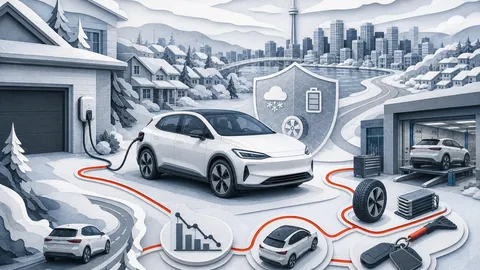
You've probably seen the headlines: Chinese EVs are coming to Canada, and they're going to be significantly more affordable than anything else on the market. That's true. But "affordable to buy" and "affordable to own" are two very different things, and I think you deserve the full picture before you sign anything.
Chinese EV Safety Ratings Explained
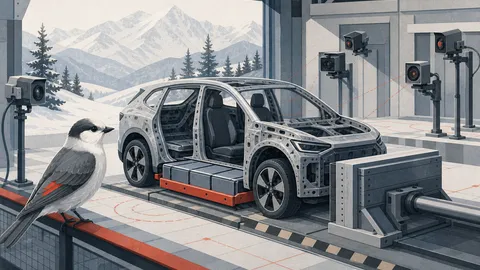
Independent evidence: These are Euro NCAP figures for the cited test and rating scope. The old article incorrectly listed several scores and called the MG4 a four-star car. Euro NCAP's 2022 MG4 result is five stars. ANCAP also awarded the MG4 five stars in 2023 under its 2020-2022 criteria.
LFP vs NMC Batteries: What Canadian EV Buyers Need to Know
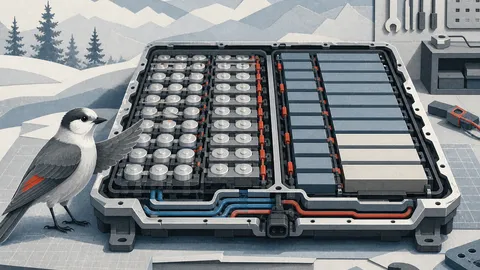
LFP means lithium iron phosphate. It avoids nickel and cobalt in the cathode, usually costs less, and is more resistant to thermal runaway under comparable cell test conditions.

BYD Blade Battery: What the Evidence Actually Shows
Evidence labels used below

Canada's 6.1% Tariff on Chinese EVs: What It Means for Buyers
If you've been following the Chinese EV story, you know the big question has always been: will they actually be allowed into Canada? The answer, as of January 2026, is yes, with conditions. Canada has landed on a 6.1% tariff on Chinese-manufactured electric vehicles, paired with an annual import quota of 49,000 units.
The Complete Guide to Buying a Chinese EV in Canada
Current as of August 11, 2026. We review this guide when Canadian policy, official brand plans, eligible-vehicle lists, or on-sale details change. The original publication date remains February 26, 2026.
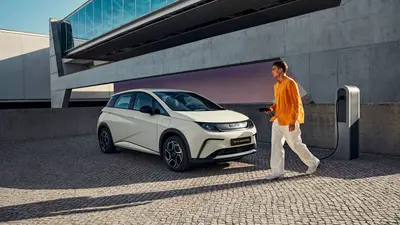
Chinese EVs Coming to Canada
Starting in January 2026, Canada began allowing imports of Chinese-manufactured electric vehicles, with an annual quota of 49,000 vehicles at a 6.1% tariff rate. This marks a major shift in the Canadian automotive market and opens the door to several new brands and models.